Get Retention Wall Construction in Austin, TX
Retention wall construction services help property owners in Austin, TX, and nearby areas stabilize slopes, prevent erosion, and create level spaces for landscaping or development projects.
Retention wall construction services are an essential solution for property owners in Austin, TX seeking to enhance the stability and usability of their outdoor spaces. These walls help manage soil erosion, prevent landscape shifting, and create level areas for gardens, patios, or other functional features. By investing in proper retention wall construction, property owners can improve the overall safety and durability of their landscape, ensuring that it remains intact and visually appealing over time with minimal maintenance.
Beyond functionality, retaining walls also contribute significantly to curb appeal, adding structure and definition to a property’s exterior. Well-constructed retention walls can serve as attractive landscape features that complement the overall design, increasing property value and aesthetic appeal. Choosing experienced local contractors ensures that the walls are built to withstand the elements and everyday wear, providing long-lasting performance and peace of mind for property owners in Austin, TX.
- Retaining Wall Construction - needed when preventing soil erosion on sloped properties in residential neighborhoods.
- Retaining Wall Construction - suitable for creating level outdoor spaces in hilly or uneven terrains around Austin, TX.
- Retaining Wall Construction - required to improve landscape stability and prevent landslides in areas with loose or unstable soil.
- Retaining Wall Construction - used to define garden beds or terraces in backyard landscaping projects.
- Retaining Wall Construction - essential for supporting driveways and walkways that cross uneven ground or slopes.
Retention Wall Construction Services
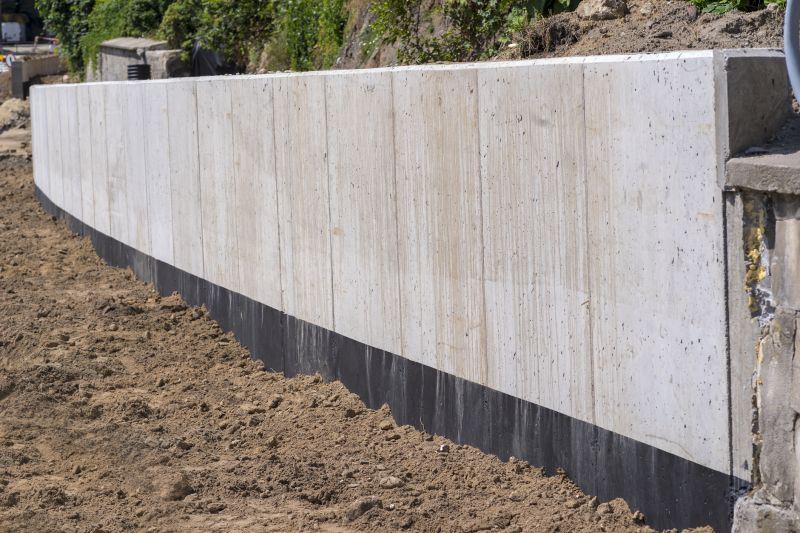
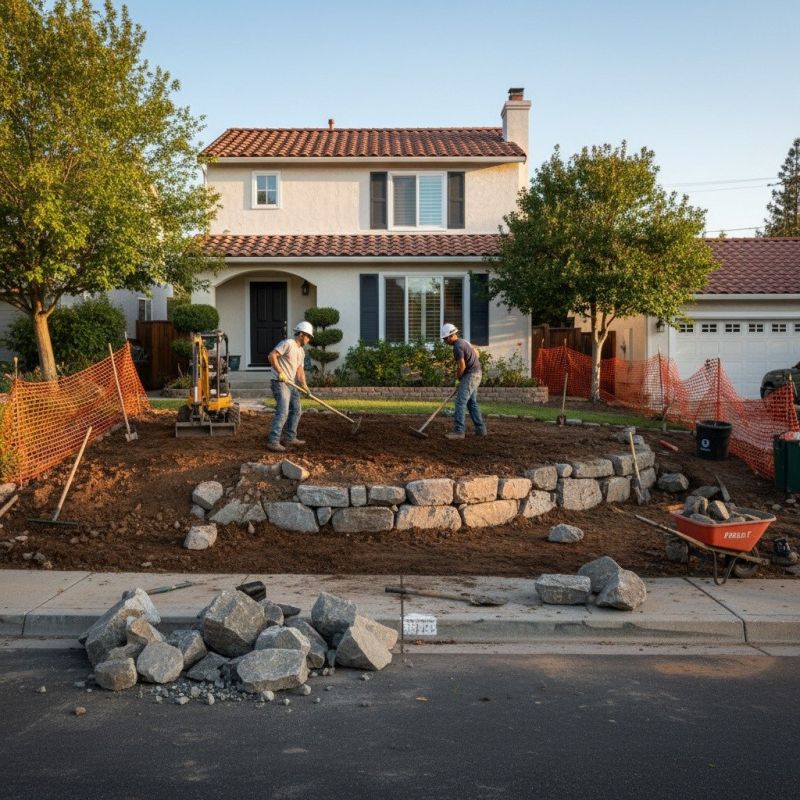
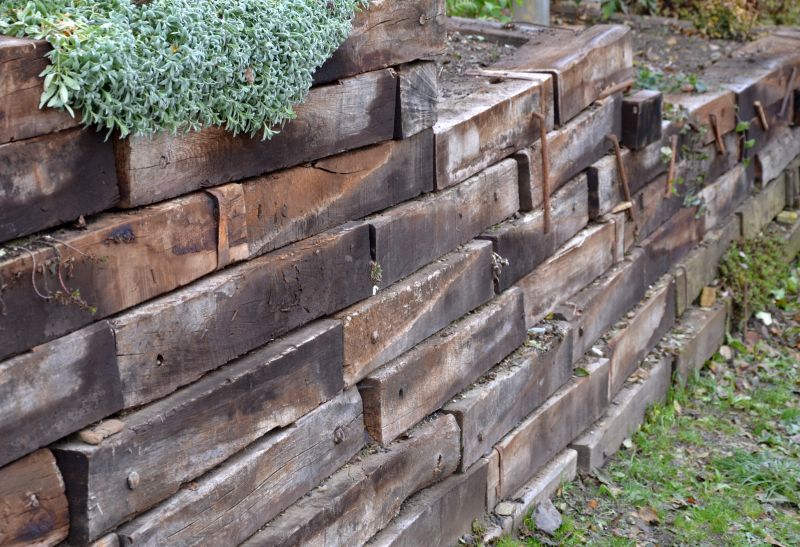
Retention wall construction involves designing and building structures that hold back soil and prevent erosion on sloped or uneven land. These walls are typically made from materials such as concrete, stone, or timber, and are carefully engineered to provide stability and support for landscaping, gardens, or property boundaries. The process includes site assessment, selecting appropriate materials, and constructing the wall to ensure it withstands various environmental conditions. Properly installed retention walls can enhance the functionality and aesthetic appeal of outdoor spaces while addressing specific terrain challenges.
One of the primary problems retention wall services help solve is soil erosion, which can undermine the stability of a property and cause damage to landscaping or structures. They also assist in creating level areas on sloped land, making outdoor spaces safer and more usable for activities like gardening, recreation, or outdoor living. Additionally, retaining walls can serve as a boundary marker or barrier to control water runoff, preventing flooding or water damage during heavy rains. These solutions are especially valuable in areas with uneven terrain or properties prone to shifting soil conditions.
Properties that commonly utilize retention wall construction include residential yards, commercial landscapes, and public parks. In residential settings, homeowners often seek these services to improve yard stability, create terraced gardens, or prevent erosion on hillside properties. Commercial properties may require retaining walls to manage large-scale landscaping or site grading for parking lots and building foundations. Public parks and recreational areas also benefit from retention walls to shape the landscape, control water flow, and provide safe, accessible outdoor environments.
Local service providers in retention wall construction typically work with a variety of property types, tailoring their solutions to meet specific needs and site conditions. They evaluate the terrain, soil type, and environmental factors to recommend suitable materials and construction techniques. Whether for a hillside home, a commercial property, or a community park, these professionals help design and build durable, functional retaining walls that enhance property stability and visual appeal. Contacting local pros can ensure the right solution is implemented for the unique requirements of each property.
The overview below groups typical Retention Wall Construction projects into broad ranges so you can see how smaller, mid-sized, and larger jobs often compare in Austin, TX.
In many markets, a large share of routine jobs stays in the lower and middle ranges, while only a smaller percentage of projects moves into the highest bands when the work is more complex or site conditions are harder than average.
Material Costs - The cost of materials for retention wall construction typically ranges from $10 to $30 per square foot, depending on the type of materials used. For example, concrete blocks might cost around $12 per square foot, while natural stone can be closer to $25 per square foot.
Labor Expenses - Labor costs for building a retention wall generally fall between $20 and $50 per hour, with total project costs varying based on wall size and complexity. A standard 50-foot wall might require 20-40 hours of work, totaling approximately $1,000 to $2,000 in labor fees.
Project Size & Scope - The overall cost is influenced by the size and scope of the project, with small walls starting around $1,500 and larger, more intricate walls reaching $10,000 or more. Larger or more complex designs, such as curved walls, tend to increase expenses.
Additional Costs - Extra expenses may include site preparation, drainage solutions, and permits, which can add $500 to $2,000 or more. These costs vary based on local regulations and site conditions in Austin, TX and nearby areas.
Actual totals will depend on details like access to the work area, the scope of the project, and the materials selected, so use these as general starting points rather than exact figures.
Retaining Wall Construction services are essential for creating stable boundaries and preventing soil erosion on residential and commercial properties. Local professionals can assist with designing and building durable retaining walls tailored to specific landscape needs.
Concrete Retaining Wall Projects involve the use of concrete materials to construct long-lasting structures that support terraced gardens or level uneven terrain. Experienced contractors can provide solutions suited to various soil types and site conditions.
Stone Retaining Wall Installations focus on aesthetic appeal and durability, often enhancing the natural look of outdoor spaces. Local pros can help select the right stone and design to complement existing landscape features.
Segmented Block Retaining Walls are popular for their modular construction and versatility in shaping outdoor areas. Skilled service providers can assist with installation that ensures stability and visual appeal.
Wood Retaining Wall Construction offers a more natural appearance and can be suitable for smaller or decorative retaining structures. Local specialists can advise on appropriate wood types and installation techniques.
Reinforced Retaining Wall Services involve the use of additional support elements such as geogrids or steel reinforcements to handle higher load capacities. Contractors experienced in reinforcement methods can ensure the longevity and safety of these structures.
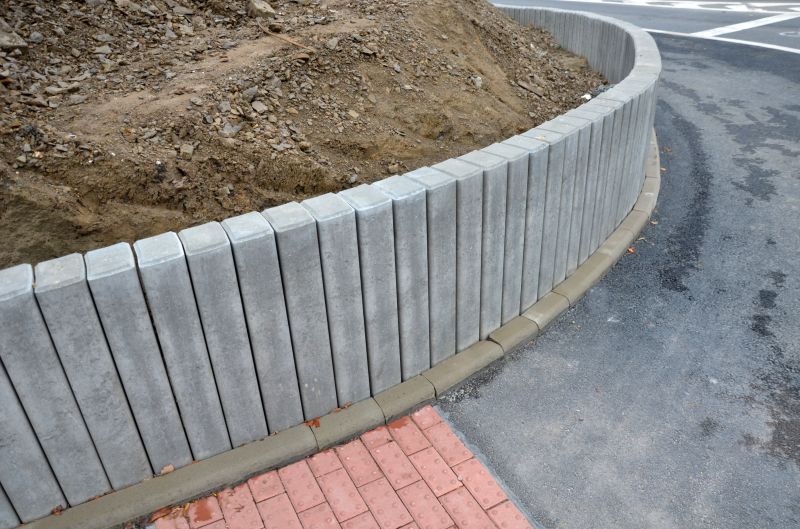
When selecting a professional for retaining wall construction, experience is a key factor to consider. Homeowners should look for contractors with a proven track record in building durable and functional retaining walls, especially in similar landscape conditions. It’s helpful to review the scope of past projects, ask about the types of materials used, and confirm the contractor’s familiarity with local soil and weather considerations to ensure the work will withstand regional challenges.
Clear and written expectations are essential for a successful project. Reputable local pros typically provide detailed estimates that outline the scope of work, materials to be used, and project timelines. This documentation helps establish a mutual understanding and reduces the potential for misunderstandings. Homeowners are encouraged to review these written expectations carefully and ask questions to clarify any uncertainties before work begins.
Reputation and communication are important indicators of a reliable contractor. Homeowners can seek references from previous clients or review online reviews to gauge the quality of past work and professionalism. Open and responsive communication throughout the project is also vital, allowing homeowners to stay informed about progress and address any concerns promptly. By considering these factors, homeowners can better identify local pros who are well-equipped to deliver quality retaining wall construction services.
Property owners in Austin, TX use Retention Wall Construction services for practical projects around their homes and businesses. The sections below highlight everyday jobs and straightforward project options.
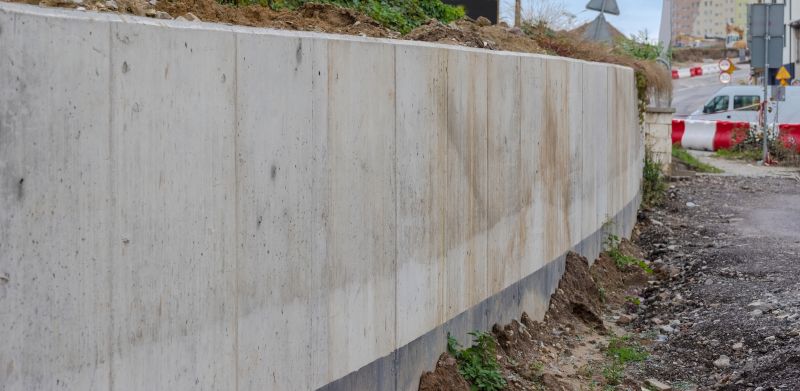
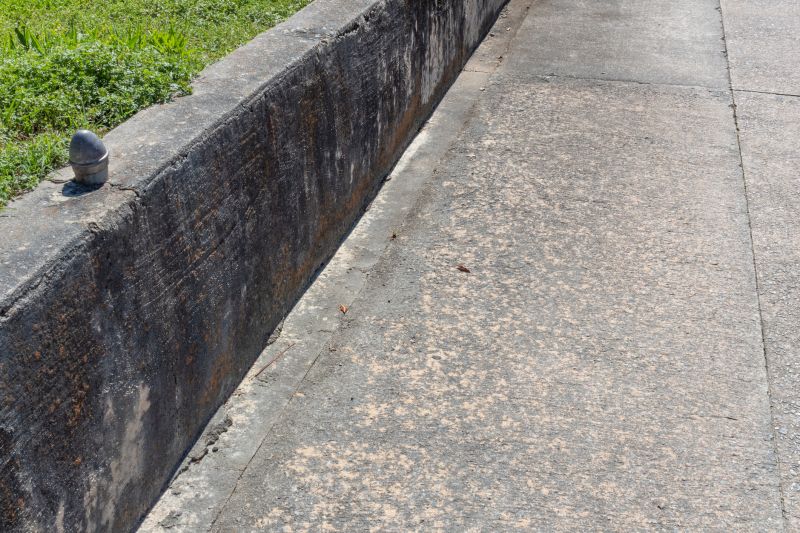
Retention wall construction services are commonly sought by property owners in Austin, TX, who need to address uneven or sloped terrain on their property. Installing a retaining wall can help prevent soil erosion, improve drainage, and create level areas for landscaping or outdoor living spaces. Homeowners may also consider these services when building terraces, garden beds, or terraces that require structural support to maintain their design and stability.
Additionally, property owners often look for retention wall construction when upgrading or reinforcing existing walls that have become damaged or unstable over time. In Austin’s climate, heavy rains can lead to shifting or settling of soil, making retaining walls a practical solution for maintaining property integrity. Local contractors can assist with selecting appropriate materials and designs that complement the landscape while providing long-lasting support.
What is a retaining wall used for? Retaining walls are constructed to hold back soil and prevent erosion, often used to create level areas on sloped land or to improve landscape stability.
What materials are commonly used for retaining walls? Common materials include concrete blocks, natural stone, brick, and timber, chosen based on the landscape needs and aesthetic preferences.
How long does a retaining wall typically last? The lifespan of a retaining wall depends on materials and construction quality, but well-built walls can last several decades with proper maintenance.
What factors influence the cost of retaining wall construction? Costs are influenced by the size, material choice, site conditions, and complexity of the design, which local pros can help assess.
How do I find local professionals for retaining wall construction? Contact local landscape or construction service providers who specialize in retaining wall installation to discuss project options and get estimates.
Retaining Wall Design Options - Local contractors can provide a variety of design choices to complement different landscapes and architectural styles.
Material Selection Guidance - Professionals can assist in selecting durable materials suitable for specific soil conditions and aesthetic preferences.
Construction Quality Services - Skilled pros ensure proper installation techniques to enhance the longevity and stability of retaining walls.
Permitting and Compliance Support - Service providers can help navigate local regulations and obtain necessary permits for retaining wall projects.
Considering Retention Wall Construction for a property in Austin, TX? The sections above highlight common project types, practical options, and details that often shape the scope of work.
When you are ready, use the quote form to share a few details about your project. Local pros can review the basics and respond with options that match what you have in mind.